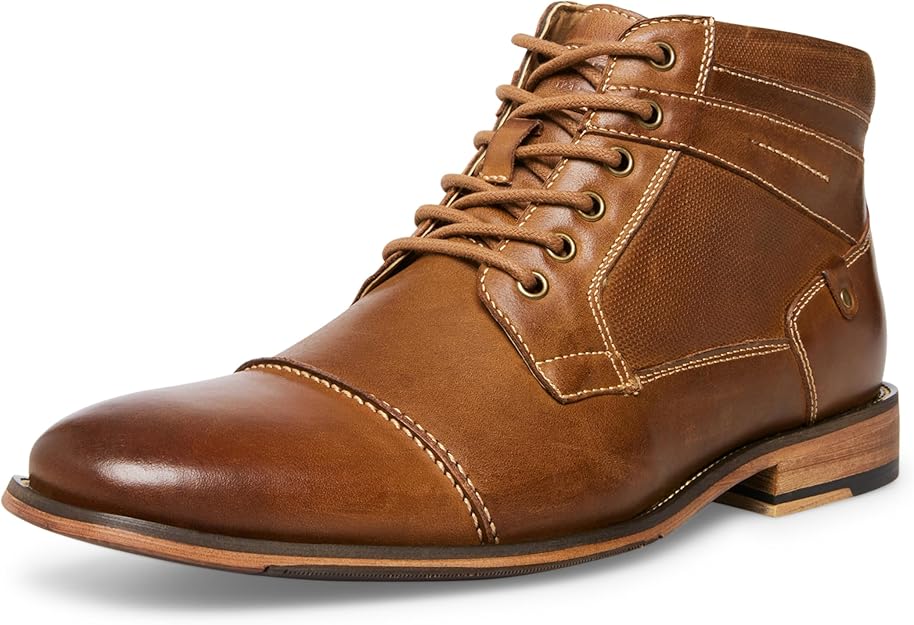
Best Renaissance Faire Footwear for Men suit is more than just a tunic, cloak, or belt. The precise footwear completes your past expression and helps you stay comfortable throughout the day. Whether you’re depicting a noble cavalier, wandering merchant, pirate, or modest villager, selecting the best Renaissance Faire footwear for men in 2026 can dramatically improve both genuineness and ease.
Many attendees spend weeks preparing their costumes but overlook their shoes. Contemporary sneakers promptly break the past illusion, while low-quality costume gumboots can leave your bases sore after only a few times. That’s why investing in proper Renaissance-style footwear is one of the keenest upgrades you can make.
Why Renaissance Faire Footwear Matters
Renaissance Faires often include hours of walking on grass, dirt trails, gravel, and rough terrain. Your footwear must deliver support, toughness, and past accuracy. The best Renaissance Faire footwear for men synthesizes authentic medieval-inspired designs with contemporary comfort features that make long days pleasant.
Today’s craftsmen create footwear using genuine leather, handcrafted sewing, and concealed comfort features. Many modern Renaissance boots comprise cushioned insoles, reinforced soles, and better traction while maintaining a factually accurate appearance.
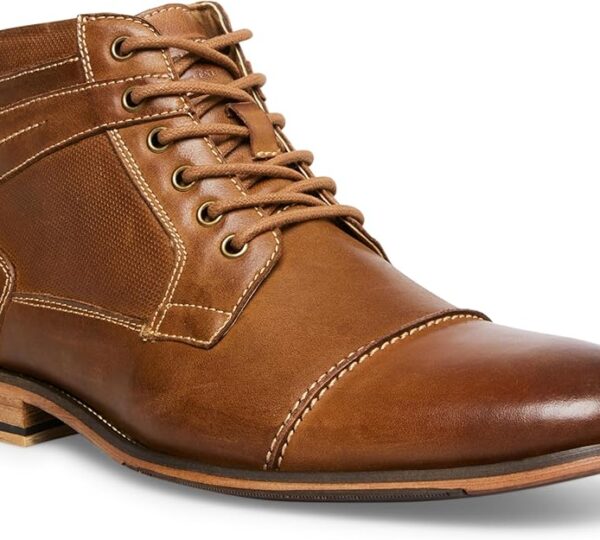
Turnshoes: The Most Authentic Choice
For history enthusiasts and reenactors, turnshoes remain one of the most authentic footwear options available.
Turnshoes are created using a traditional construction method where the shoe is stitched inside out and then turned right-side out. This technique was widely used throughout the medieval and Renaissance periods.
Benefits of Turnshoes
- Highly authentic historical appearance
- Lightweight and flexible design
- Comfortable after proper break-in
- Ideal for merchants, archers, and townsfolk
Modern Improvements
Many turn-shoemakers today offer detachable cork or foam footbeds that bring additional support, deprived of moving the past look. This makes them more practical for modern Renaissance Faire attendees.
However, old-style leather soles can get greasy on wet grass or muddy plantations, so they are best suited for dry-weather events.
Knee-High Riding Boots
Among all Renaissance Faire footwear styles, knee-high riding galoshes continue to be one of the most general choices.
These boots offer a robust historical air and work well for many characters, including:
- Knights
- Nobles
- Upland warriors
- Cavalry-inspired fonts
- Adventurers
A pair of leather riding boots punctually elevates your sartorial and creates a commanding presence.
Features to Look For
When shopping for Renaissance equestrian boots in 2026, look for:
- Full-grain leather build
- Stacked leather repairs
- Round or square toes
- Durable sewing
- Hidden grip soles
Modern hidden-grip soles provide outstanding stability while remaining visually true. This feature is particularly valuable throughout outdoor events where greasy terrain can be a test.
Short Boots: The Best All-Around Option
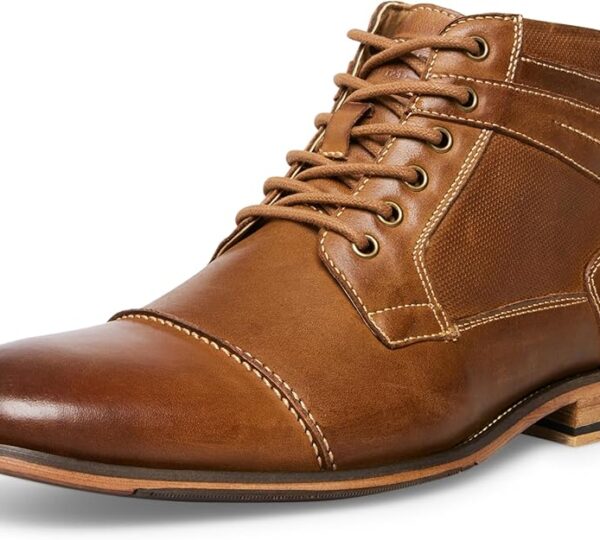
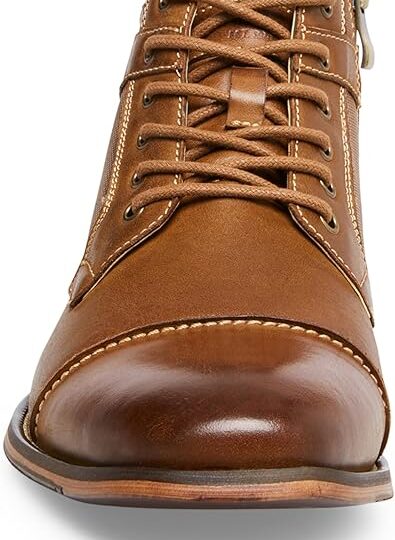
For many attendees, short boots are the faultless balance between genuineness and realism.
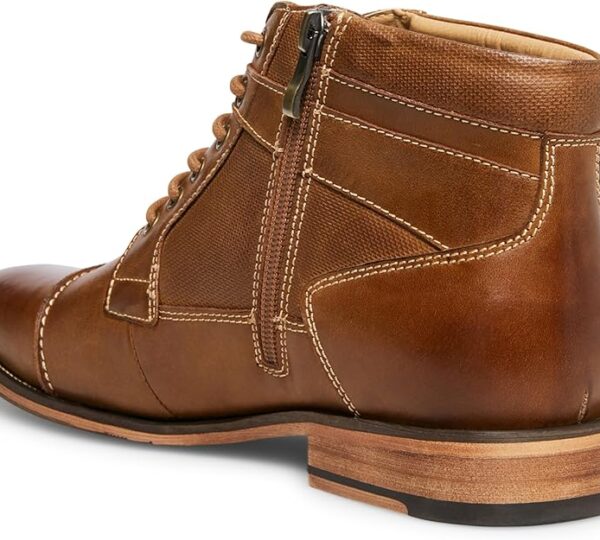
These boots typically extend several inches above the ankle and couple beautifully with breeches, trousers, or medieval-style chinos.
Why Short Boots Are Popular
- Lightweight compared to tall boots
- Better airing in warm weather conditions
- Easy to walk in
- Suitable for multiple character kinds
Short boots work very well for:
- Rogues
- Craftsmen
- Mercenaries
- Pirates
- Tavern workers
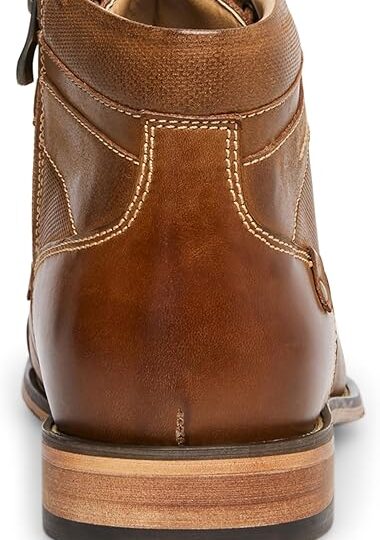
Many modern projects include hidden side zippers hidden beneath leather flaps. While not factually accurate, these features make the boots meaningfully easier to wear without affecting the overall arrival.
Medieval Ankle Shoes
If you’re making a peasant, monk, performer, or traveler costume, feudal ankle shoes offer an excellent answer.
These shoes feature a humble design and deliver a believable lower-class past appearance. Despite their ease, they can be astonishingly versatile and comfortable.
Advantages
- Lightweight construction
- Easy to pack for travel
- Affordable compared to tall boots
- Authentic historical look
New 2026 forms often include amplified insoles and supportive footbeds, making them far more comfortable than old-style copies.
Choosing the Right Material
Material quality is one of the most important factors when buying Renaissance Faire footwear.
Genuine Leather
Full-grain leather remains the gold standard because it offers the following:
- Larger durability
- Better comfort over time
- Authentic arrival
- Long-term value
Leather obviously molds to your feet as it breaks in, generating a custom fit that improves with use.
Avoid Cheap Synthetic Materials
Many cheap costume boots use artificial leather or plastic materials. These products often:
- Crack quickly
- Cause extreme sweating
- Lack durability
- Look impractical
Investing in honest leather usually saves money in the long run because quality footwear can last for many fair periods.
Breaking In Your Boots Properly
One of the main mistakes Renaissance Faire attendees make is wearing brand-new boots to an occasion.
Leather footwear needs time to adapt to your feet.
Recommended Break-In Schedule
6-8 Weeks Before the Faire
Acquire your footwear and test the fit.
4-6 Weeks Before
Wear them inside for short periods.
2-4 Weeks Before
Take regular walks while wearing thick socks.
1-2 Weeks Before
Wear them during longer outdoor walks to identify any weight points.
This gradual procedure softens the leather and reduces the risk of sore blisters during the occasion.
The Importance of Wool Socks
Even the best Renaissance Faire boots can become painful if paired with the incorrect socks.
Cotton socks absorb moisture and remain damp, causing cumulative friction and blister creation.
Instead, choose:
- Merino wool socks
- Alpaca wool socks
- Moisture-wicking boot socks
These materials regulate fever, reduce wetness buildup, and improve complete comfort throughout the day.
Transporting an extra pair of socks to the fair can make an important difference, particularly during hot weather.
Common Footwear Mistakes to Avoid
Many strangers make footwear choices that damagingly affect both comfort and genuineness.
Avoid:
Cheap Costume Boots
Low-quality costume footwear often looks impractical and lacks proper provision.
Extremely High Heels
Most Renaissance women did not wear overstated heels. These styles can appear imprecise and reduce comfort.
Modern Athletic Shoes
Sneakers directly disrupt the historical appearance of an otherwise outstanding costume.
Poor Sizing
Boots that feel somewhat tight in the store may become very uncomfortable after several hours of movement.
Always leave room for thick socks and natural foot development.
Best Renaissance Faire Footwear for Different Characters
Knight or Noble
Select knee-high leather equestrian boots with hidden grip soles.
Merchant
Turnshoes or simple leather shoes deliver excellent genuineness.
Pirate
Short leather boots offer adaptability and comfort while preserving a rugged appearance.
Peasant or Monk
Medieval ankle shoes make a believable lower-class past look.
Adventurer
Mid-height leather boots balance realism, durability, and style.
Final Thoughts
Discovering the best Renaissance Faire footwear for men in 2026 is about balancing genuineness, comfort, and toughness. Good leather footwear not only protects your clothing but also helps you through long days of inspection, presentations, and adventure.
Whether you select old-style turn shoes, rugged riding boots, applied short boots, or simple embryonic ankle shoes, investing in quality footwear will alter your Renaissance Faire experience. Pair them with comfortable wool tights, break them in appropriately, and you’ll be ready to step surely into the world of the past, fantasy, and adventure.