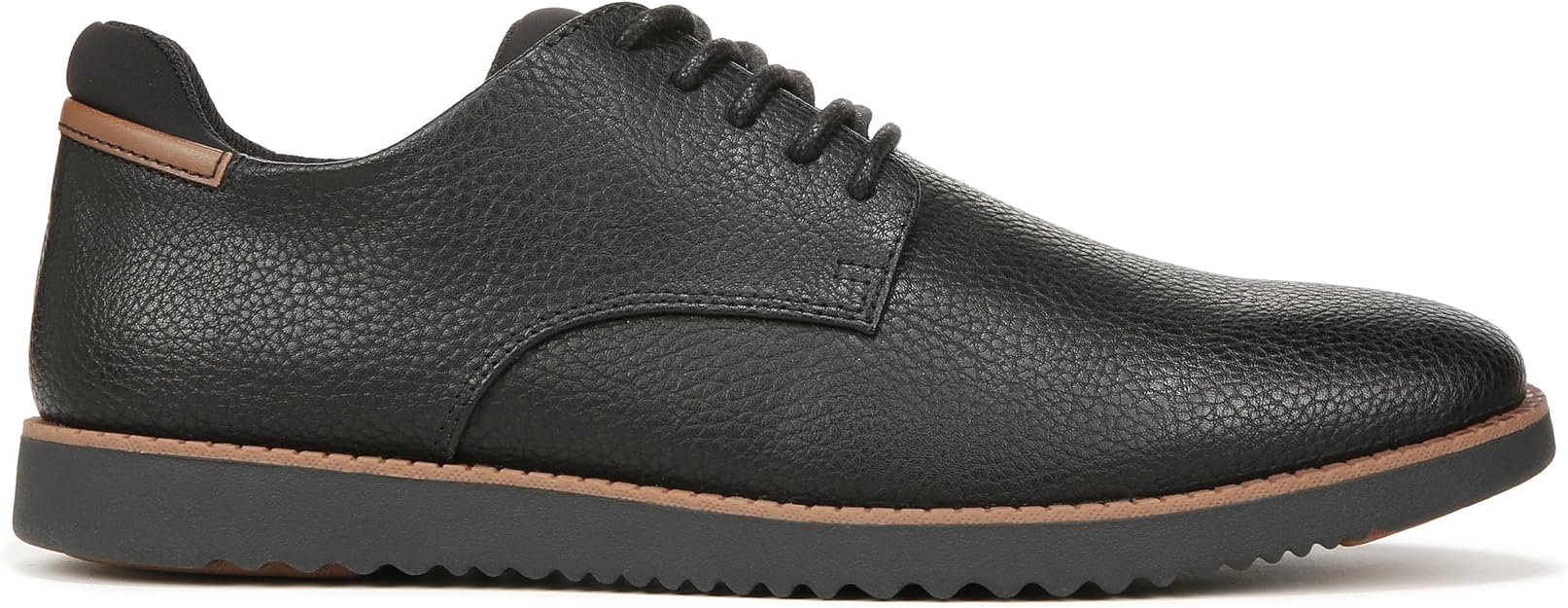
Introduction
In today’s speeding world, masses of men apply long hours on their bases—whether in granaries, hospitals, kitchens, or building sites. For those with diabetes, choosing the right work shoe is not just about luxury. It is about health, care, and stopping life-altering problems.
Diabetes can affect blood flow and nerve compression in the base. A small sore from a fitted shoe can turn into a diseased ulcer. A sore can lead to hospitalization or even exclusion. That is why choosing the best diabetic work shoes for men in 2026 is more important than ever.
This leader blocks medical institutions and applies information to help you choose footwear that keeps your feet safe, maintained, and pain-free all day.
Best Diabetic Work Shoes for Standing All Day
Diabetic feet need extra care. Many men with diabetes have neuropathy (reduced sensation) and poor flow. This means they may not touch a stone inside their shoe or sign a cut until it becomes clean.
Standard work boots or sneakers are not designed to handle these hazards. Diabetic work shoes are particularly prone to
• Reduce weight on sensitive areas like the heel and ball of the foot
• Improve blood flow by avoiding tight spots
• Prevent wounds from resistance, seams, or ill-fitting
• Provide all-day comfort so you stay creative
In 2026, footwear brands are calmer than ever, offering shoes that combine safety, style, and medical-grade performance.
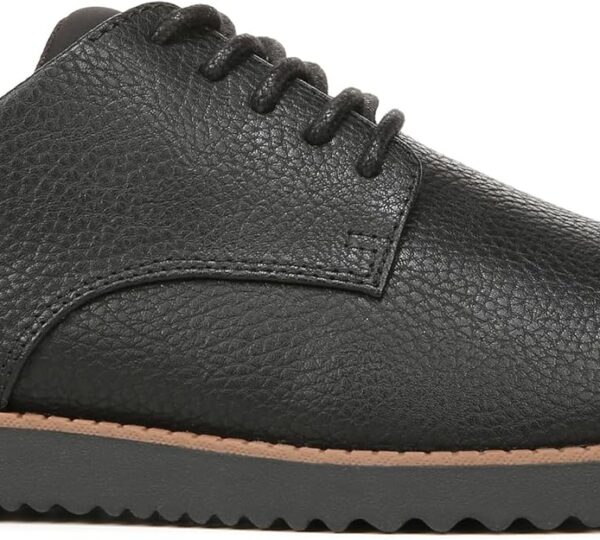
Features to Look for in Diabetic Work Shoes
When shopping for diabetic work shoes for men, ignore flashy marketing. Emphasis only on these proven lands:
-
Extra cushioning, easy,
Open insoles (recall foam, cream, or polyurethane) engross tremor throughout extended hours on asphalt or tile. Guise for triple-layer removable pads that let you add traditional orthotics if required.
-
Wide Toe Box:
A diverse toe box allows your toes room to move simply. Tight shoes cause calluses, blisters, and wounds. Always choose shoes that do not press on your toes from the sides or the top.
-
Seamless Interior (Fusion-Welded)
Inside seams rub near casing. Over 8 to 10 hours, that copy creates hot spots and sores. Diabetic shoes use fused or welded linings with zero uneven seams.
-
Good Arch Support.
Good playful support assigns body weight reliably across the base. This reduces pressure on the plantar fascia and recovers poise.
-
Non-Slip Sole.
For high-traffic locations like infirmaries, restaurants, shops, or galleys, slip-resistant soles (ASTM F2913 certified) stop falls on wet or oily surfaces.
-
Breathable Material Base
Fluid. Excess moisture softens skin and invites infection. Breathable nets, soft skins, or pierced uppers save feet from desiccation.
-
Adjustable Fit
Bases great through the day—occasionally with a full scope. Shoes with BOA knobs, hook-and-loop bands (Velcro), or wide-set ties let you undo the fit through the afternoon without retying.
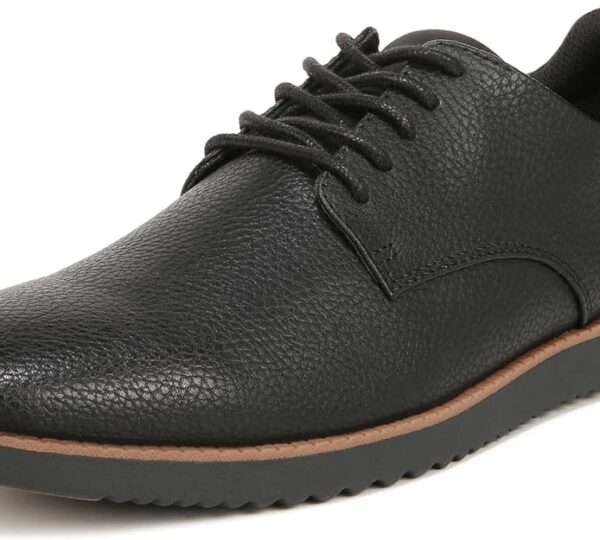
Benefits of Wearing the Right Shoes
Selecting the correct diabetic work shoes changes your everyday life:
• Reduced foot discomfort—No more red-hot, aching bases by 2 PM.
• Better blood movement – No tight spots limiting flow.
• Injury deterrence – Protects against cuts, blisters, and pressure sores.
• Better production—Comfortable bases let you work, not be in unease.
• Inferior long-term healthcare prices—Stopping one ulcer saves thousands in medical bills.
Common Mistakes to Avoid
Many men unintentionally harm their feet by making these errors:
• Buying close-fitting shoes—Always allow a full thumb’s width between the longest toe and the shoe end.
• Disregarding quality—Inexpensive shoes save money today, but cost health later.
• Wearing worn-out shoes—Old shoes lose their cushioning and support after 6–8 months of daily use.
• Skipping hits—Always wear soft, moisture-wicking diabetic kits.
• Shopping in the morning – Bases swell during the day. Shop at 4 PM for the best price.
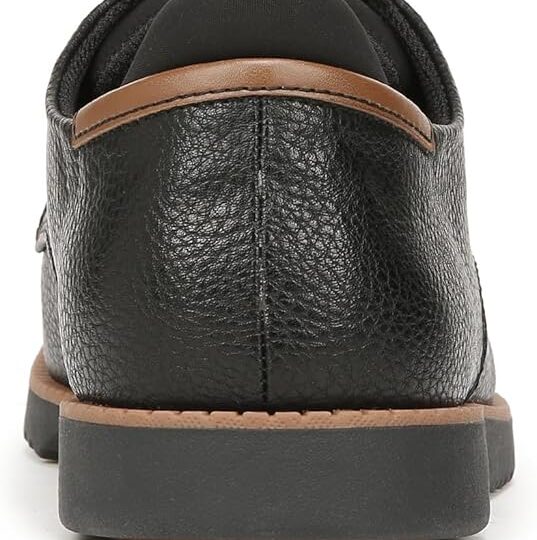
Top 5 Diabetic Work Shoes for Men in 2026
Based on podiatrist references and user appraisals:
-
Orthofeast Genesis.
Best for bulges. The BOA dial fit system regulates throughout the day.
-
Proper Life Walker Strap.
Best for severe neuropathy. Velcro straps and two removable pads.
-
Hoka Bondi SR.
Best for shock absorption. Maximum foam mitigation for concrete grounds.
-
Drew Warrior II is
best for trade jobs. Composite toe and puncture-resistant sole.
-
FitVille EasyTop is the best.
budget choice. Extra extra wide (6E/9E) breadths are available.
Tips for Maintaining Diabetic Foot Health
Shoes are one part of basic care. Follow these daily ways:
• Inspect your bases every night—look for cuts, soreness, swelling, or sores.
• Keep feet clean and dry – Wash daily and dry between toes.
• Trim nails conventionally across—Avoid ingrown nails.
• Never walk unshod—not even at home.
• Replace shoes every 6–8 months – Foam breaks down even if the shoes look good.
• Rotate between two couples—Let foam open for 24 hours between applications.
How to Choose the Right Pair for You
Before buying, ask by hand.
• How many hours do I spend on attitude or walking daily?
• Is my workground wet, oily, rough, or flat?
• Do my feet swell throughout the day?
• Do I use custom orthotics?
• Do I need steel/composite toe defense?
Pro tip:
Try shoes on in the twilight when your feet are largest. Wear the care-free socks with your attire at work. Walk for 10 minutes in the store, then eradicate the shoe and check for red scripts.
Final Conclusion
Finding the best diabetic work shoes for men in 2026 is about opposite comfort, support, and care. The right pair of shoes defends your feet, decreases pain, prevents injuries, and improves your quality of life. Do not wager with your feet. A $150–$200 pair of healing work shoes is a small price compared to a $70,000 hospital stay for a diabetic foot sore. Focus on justification, wide fit, unified interiors, breathable resources, and slip fit. Take your time. Try before you buy. And stretch your feet to the care they truthfully deserve—because without strong feet, you cannot work, walk, or live easily.